
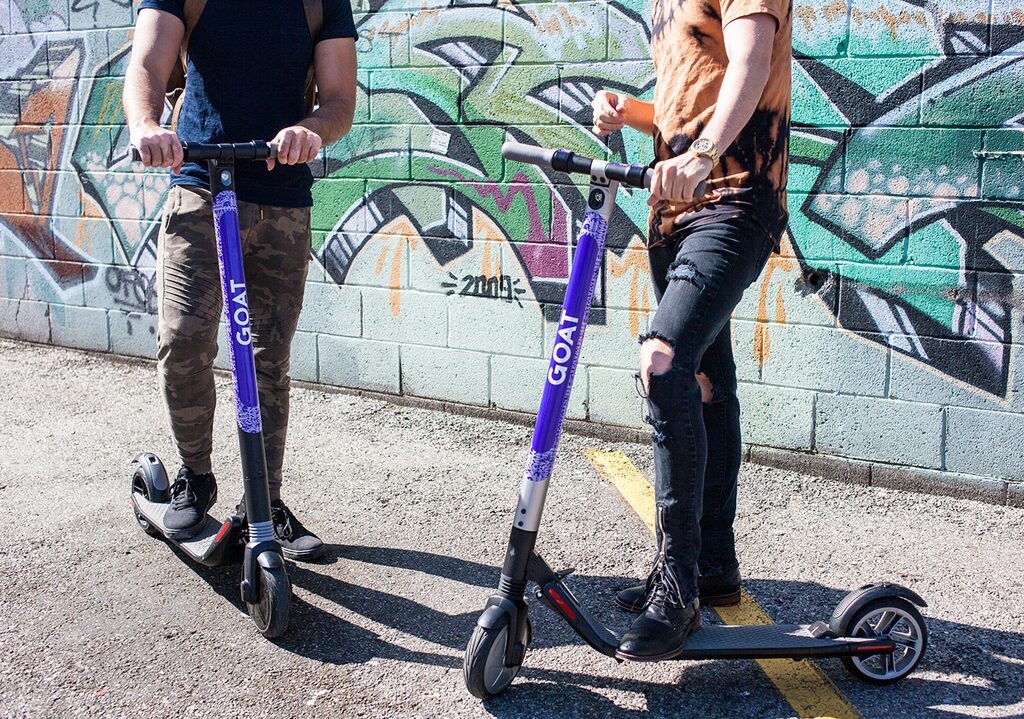
Launching a scooter fleet is no longer a venture-backed moonshot. The cost of hardware has dropped, software platforms are mature, and corporate campuses, hotels, and master-planned communities are actively asking for last-mile solutions. If you can pick a smart location, choose durable hardware, and run tight operations, a 25-50 unit fleet can pay for itself inside 12 months. This guide walks you through the exact decisions that determine whether your fleet prints money or sits in a warehouse.
1. Pick the right location before you buy a single scooter
Location is the single biggest predictor of fleet performance. The instinct for first-time operators is to chase tourist density, but oversaturated tourist markets are usually picked clean by Lime, Bird, and Spin. The smarter play is a "captive demand" environment — somewhere with a defined population that needs to move regularly across the same one-to-three mile loop.
Best-fit deployment zones include:
- Corporate campuses with multiple buildings spread across 20+ acres
- Master-planned residential communities with amenity centers
- Hotels and resort properties where guests park once and never move the car
- Business parks where workers commute between offices, gyms, and lunch spots
- Universities and trade schools with dispersed dorms and lecture halls
Ride Goat's Power Design deployment in St. Petersburg, Florida is a textbook example: a single corporate client, a defined campus, predictable peak hours, and zero competition from public scooter operators. That kind of environment is far easier to underwrite than open-city deployments.
2. Size your fleet to demand, not ego
The most common rookie mistake is buying too many scooters. The right starting size is the smallest fleet that can serve your peak hour without leaving riders stranded. A useful rule of thumb: one scooter per 30-50 daily potential riders on a campus, and one per 75-100 hotel rooms.
For a 1,500-employee corporate campus with reasonable adoption, that means 30-50 scooters. For a 200-room boutique hotel with active guests, 8-12. Start at the low end. You can always add units once you've proven utilization above 4 rides per scooter per day. Buying more units than you need ties up capital and creates rebalancing headaches before you've earned the right to have them.
3. Choose hardware built for shared use, not personal commutes
Consumer-grade scooters fail in fleet service. They have plastic stems that crack, single brakes that overheat, and non-swappable batteries that force you to take a unit out of service for hours just to recharge. Fleet-grade hardware costs more up-front and saves you 3x in operational headaches.
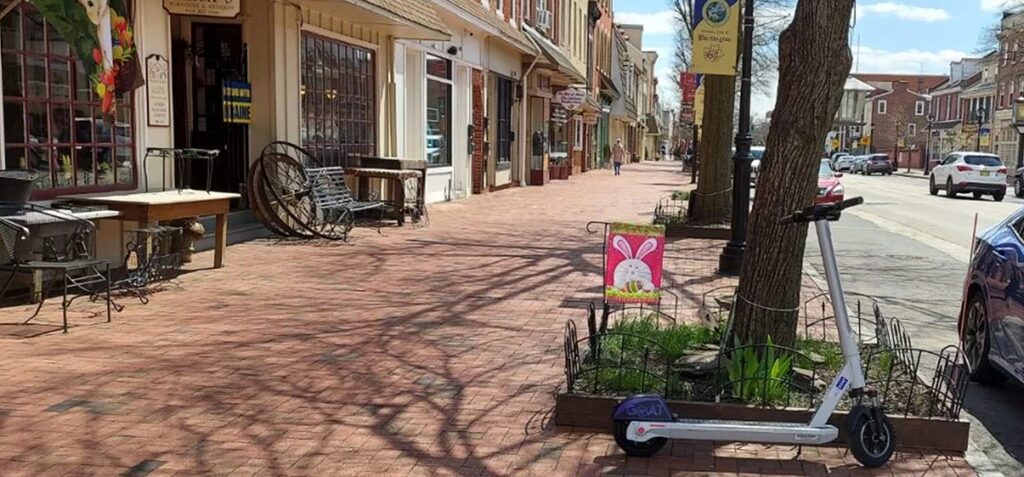
Look for these specs at minimum:
- Swappable battery: Lets you keep the unit in service while you charge spares offline
- Dual brake system: Front disc plus rear electronic, so a single failure doesn't ground the unit
- Dual kickstand: Reduces tip-overs that crack stems and screens
- IP54 or higher water rating: Survives the inevitable rainstorm
- Tubeless or solid tires: Pneumatic tubes are the #1 maintenance time-sink
- Onboard GPS and IoT module: Required for geofencing, locking, and theft recovery
Goat-branded Aike units check every box, and pre-owned Segway Max 2.3 inventory hits a similar spec at a meaningfully lower per-unit cost — especially relevant when you're testing a new market.
4. Lock in your revenue model before launch
Your pricing model determines both gross revenue and rider behavior. The three dominant structures:
- Unlock + per-minute: The default. Roughly $1-$2 unlock plus $0.25-$0.40 per minute. Great for high-frequency, short trips.
- Subscription / day pass: $6-$15 per day, unlimited rides. Works on resort properties where guests want predictability.
- Property-paid (free to rider): The campus or HOA pays a flat monthly fee per scooter. Adoption skyrockets, but margin is fixed.
A 30-scooter fleet at $2 unlock and $0.30 per minute, with riders averaging 4 rides per day at 8 minutes per ride, grosses about $432 per day or roughly $13,000 per month before costs. The same fleet on a property-paid model at $250 per scooter per month grosses $7,500 — lower top line, but no payment processing, no support tickets about stuck unlocks, and dramatically simpler accounting.
5. Get the operational basics right on day one
The fleet operations checklist is short but unforgiving. You need a charging plan, a maintenance plan, and a rebalancing plan before scooter one hits the ground.
Charging
If your hardware has swappable batteries, you only need a small back-of-house charging room with 8-10 chargers running at any time. If batteries are fixed, you need to physically move scooters to a charging location every night, which roughly doubles your labor cost.
Maintenance
Plan for 1 hour of preventive maintenance per scooter per month, plus reactive repairs. Brake pads, throttles, and stem bolts are the consumables. Keep a parts kit stocked with at least 10% spares of high-failure components from day one.
Rebalancing
Riders cluster scooters at popular destinations — usually the cafeteria, the main entrance, and the parking garage. Walk the property at the end of the day and redistribute. On a 30-50 unit fleet this is a 30-minute task, not a full-time job.
6. Handle permits, insurance, and liability up front
Fleets on private property (campuses, HOAs, hotels) generally don't need municipal permits, which is one of the biggest reasons to start there instead of fighting for a public right-of-way permit. You will still need:
- General liability insurance, typically $1M per occurrence / $2M aggregate minimum
- A signed property agreement with the landowner that includes indemnification language
- A rider waiver inside your app's signup flow
- A documented incident response process
Most property managers will require you to add them as an additional insured on your policy. Build this into your underwriting.
Ready to launch your fleet?
If you're sizing the opportunity, run the numbers in our revenue calculator — plug in your own scooter count, ride volume, and pricing to project monthly gross. To see what's available right now, browse our pre-owned fleets (Segway Max 2.3 in great condition, 10-unit minimum) or email hello@ridegoat.com with your situation and we'll send a tailored proposal within one business day.