
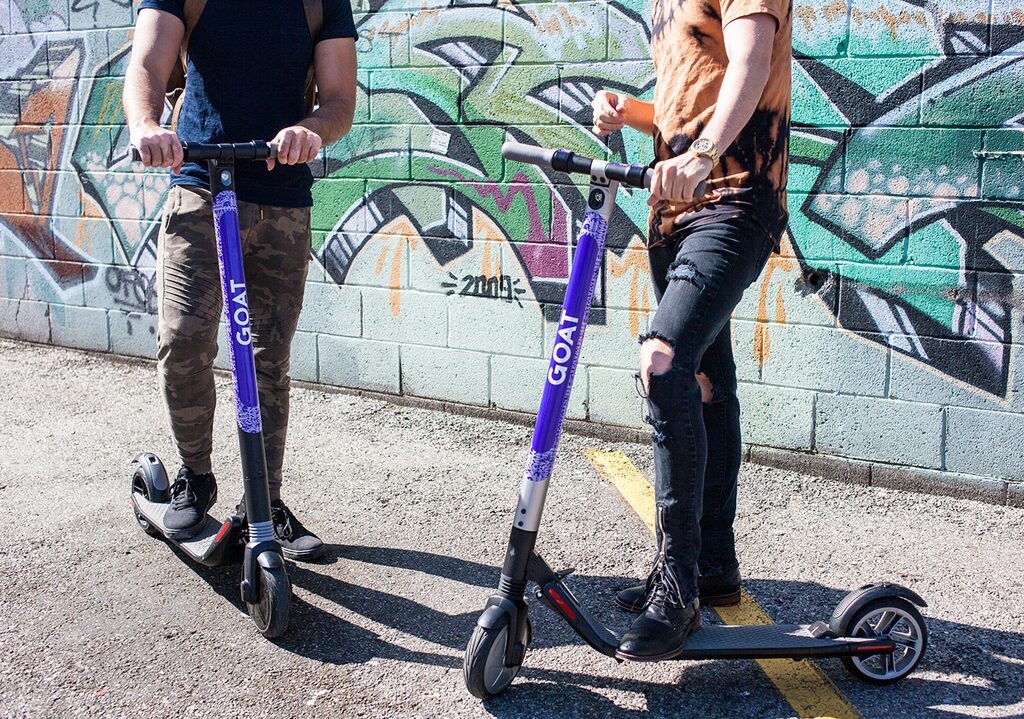
Five years ago, the only way to "start a scooter fleet" was to raise venture money and try to compete with Lime and Bird in major cities. That model didn't work for most of the people who tried it, and the survivors burned through hundreds of millions getting there. Today the playbook is completely different — and a lot more interesting for someone who wants to actually build a business they own.
The opportunity now is on private property: corporate campuses, resorts, master-planned communities, business parks, and large hotels. These are properties that need a last-mile mobility solution but where the big shared-mobility names don't operate. A 25-50 unit fleet on the right property can cash flow inside the first year, and a small operator can run it as a side business or scale it into a multi-property operation. This guide is for the operator deciding whether that's the right move.
Why now, and why private property
Three things shifted in the last few years that make this a real business and not a moonshot:
- Hardware costs dropped significantly. A fleet-grade scooter that would have cost $1,500-$2,000 a few years ago can now be acquired new for less, and pre-owned units in good condition are even more accessible.
- Software platforms matured. The unlock-app, payments, geofencing, and remote-locking stack used to be a custom build. Today it's a service you plug into.
- Properties are actively asking for this. Corporate real estate teams, HOA boards, and resort GMs have all heard "we should have scooters" from someone. They just don't know who to call.
That last point is the one that gets undersold. Demand on private property is genuine and largely unmet. A walk-through of any 50+ acre corporate campus will show you the demand: people walking long distances between buildings, golf carts being misused as shuttles, and shuttle vans burning gas to do what a scooter could do for a fraction of the cost.
What's actually involved in running a fleet
People assume scooter operations is a tech business. It's actually four businesses stacked on top of each other, and you need at least a working understanding of all four:
- Hardware: The scooters themselves, plus spares, batteries, chargers, and tools.
- Operations: Daily charging or battery swaps, rebalancing, preventive maintenance, and reactive repair.
- Software: Rider app, operator dashboard, payments processing, IoT connectivity, and geofencing.
- Support: Rider help, property-manager communication, incident response, and insurance.
The franchise-style model Ride Goat offers exists because most first-time operators don't want to build all four from scratch. We provide the hardware (Goat-branded Aike fleet platform, or pre-owned Segway Max 2.3 inventory for budget-conscious launches), the software stack (rider app, operator tools, IoT), and the support backbone. Your job becomes the local one: secure the property, run the day-to-day operation, and own the customer relationship.
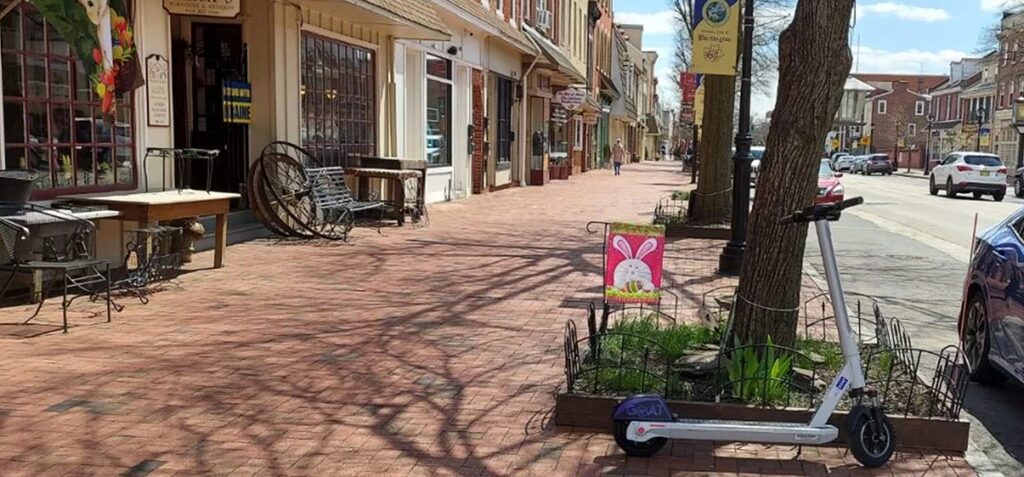
The franchise-style model in plain English
Here's how the operator partnership actually works, without the marketing speak:
- You bring the property, the local relationship, and the operating effort.
- We bring the hardware, the brand, the rider app, the operator dashboard, the payments stack, and the playbooks for everything from daily ops to incident response.
- You own the local entity and the local margin. We earn through the platform.
- You're not on the hook for software development, app store maintenance, or backend infrastructure — that's our job.
The point of this structure is that the time and capital required to launch goes from "12 months and $250K of software work" down to "60 days and the cost of your first batch of scooters." For someone who wants to operate, not engineer, that's a meaningful unlock.
Common misconceptions worth clearing up
"This is a tech business."
It's a service business with a hardware fleet and a software layer. The tech isn't the moat — the property relationship is.
"You need a city permit to start."
On private property, generally no. You need a property agreement, insurance, and a rider waiver. That's a much shorter list than the public right-of-way path most people imagine.
"You have to compete with Lime and Bird."
You don't, because you're not in their market. Lime and Bird operate on public streets in major metros. Your market is the corporate campus where they don't go.
"You need 200 scooters to make money."
You need the right number for your property. Based on our deployments, a well-utilized 30-unit fleet on a single corporate campus can outperform a poorly-utilized 100-unit fleet in an open city.
The operators who succeed are the ones who treat this like a service business with a hardware component, not a tech startup. The people who get stuck are the ones waiting for the perfect software feature before they ship a fleet.
Who succeeds vs who doesn't
The pattern across operators we've worked with is clear. Operators who do well usually share three traits:
- They have an existing relationship with a property, or a credible path to one. The fleet is the mechanism, not the lead source.
- They're operationally minded. They don't mind walking the property at 6 PM to redistribute scooters or driving across town to swap a battery.
- They start small and scale into utilization. 25-50 units on one property, prove demand, then add a second property or expand the first.
Operators who struggle usually share the inverse traits:
- They're trying to find the property after they buy the scooters, instead of the other way around.
- They want to outsource the operations from day one before knowing what "operations" actually means on their property.
- They over-buy hardware on the assumption that more scooters means more revenue.
The first 90 days: a realistic timeline
If you're starting from zero today, here's what a reasonable launch looks like:
Days 1-30: lock in the property and underwrite the deal
Identify your target property. Walk it. Have an honest conversation with the decision-maker (usually a property manager, HR director, or resort GM). Sign a property agreement that includes indemnification language, an additional-insured clause, and the basic operating parameters (hours, geofence, designated parking zones).
Days 30-60: stand up the operation
Order hardware (allow 2-4 weeks for delivery on new units, less for pre-owned). Get general liability insurance — typically $1M per occurrence / $2M aggregate as a starting point. Set up the local entity, payments, and bank account. Configure the rider app, geofence, and pricing in the operator dashboard. Identify your back-of-house space for charging or battery storage.
Days 60-90: soft launch and tune
Go live with a soft launch — 10-15 units, limited hours, invite-only or a single building first. Watch utilization, identify the rebalancing patterns, fix the operational gaps. Then scale to the full fleet and full hours. By day 90 you should have utilization data, a clean SOP, and a credible case to expand or repeat.
Ready to launch your fleet?
If you're sizing the opportunity, run the numbers in our revenue calculator — plug in your own scooter count, ride volume, and pricing to project monthly gross. To see what's available right now, browse our pre-owned fleets or email hello@ridegoat.com with your situation and we'll send a tailored proposal within one business day.