Once you have decided to get into the scooter business, the next question is structural: do you buy into a franchise, build everything yourself, or partner with a platform? Each path is legitimate. They differ enormously in cost, control, and what you actually own at the end.
What a Scooter "Franchise" Actually Is
A classic franchise sells you a brand, a territory, and an operating system in exchange for an upfront fee and ongoing royalties. In micromobility, true franchises are rare; most offers labeled "franchise" are some blend of equipment sale, software license, and revenue share. Read the agreement for three things: what you pay upfront, what percentage leaves every month, and who owns the customer relationship. Royalty structures of 6–10% of gross plus marketing funds are common in franchising generally — on a 25% margin business, a 8% royalty on gross can be a third of your profit.
The True Cost of Going Fully Independent
Independence means sourcing vehicles, then solving everything else yourself: a rider app, IoT integration, payment processing, geofencing, insurance sourcing, permit applications, and an operations playbook learned through expensive trial and error. Custom app development alone can run tens of thousands of dollars, and white-label software subscriptions still leave you negotiating hardware, parts, and insurance with no leverage. The hidden cost is time: independents commonly spend 6–12 months assembling what an integrated offer hands over on day one.
The Middle Path: Platform Partnership
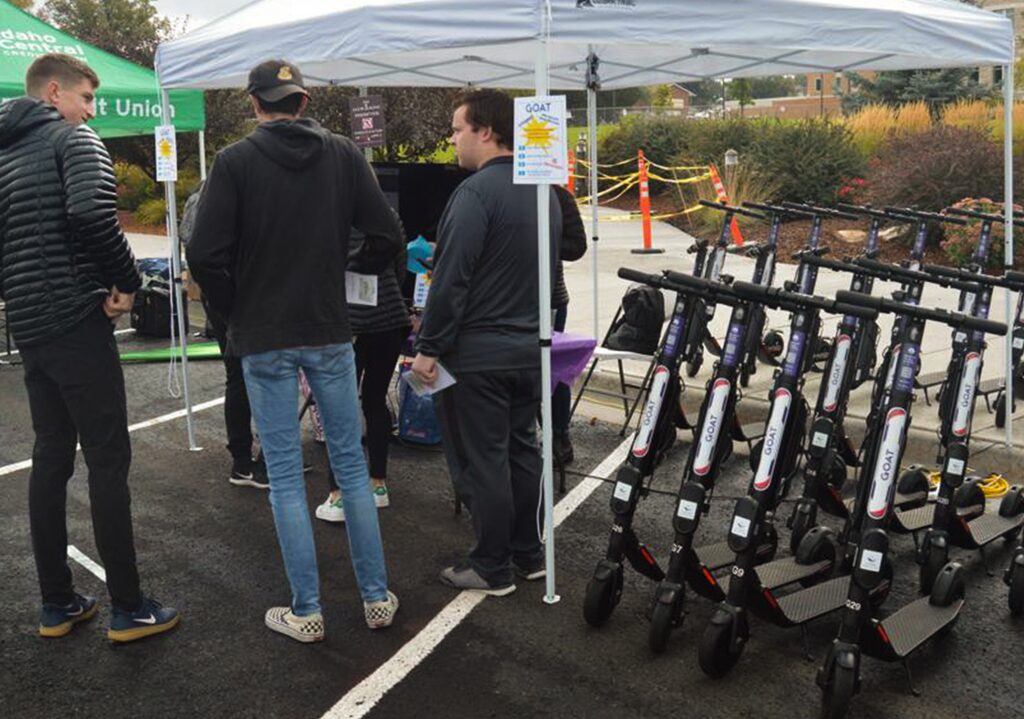
The GOAT model is deliberately neither franchise nor DIY. You buy the fleet outright — the asset is yours, with no franchise fee and no territory purchase. The playbook is free: township and campus proposal templates, the A-to-Z ops manual, permit assistance (we will even travel to your site), marketing assets, and insurance guidance. The platform — rider app, fleet management tools, IoT, national customer base — is what you share revenue on, with operators keeping 85–90% of ride revenue and 100% of local ad and partnership revenue. The split is tiered, so growth improves your economics instead of just the licensor's.
Compare the Three on What Matters
- Upfront cost: Franchise = fee + equipment. Independent = equipment + software build. Partnership = equipment only.
- Monthly leakage: Franchise = royalty on gross. Independent = SaaS fees + your time. Partnership = tiered revenue share on rides only.
- Control: Franchise = operating manual compliance. Independent = total. Partnership = you set pricing, fleet size, and local deals inside platform guardrails.
- Exit value: Franchise = resale subject to franchisor approval. Independent = asset sale of a custom stack. Partnership = a transferable fleet + an operating business with clean books.
A Decision Checklist
- Do you want to own the asset or rent the brand?
- Can your projected margin survive the monthly take? Model it in the revenue calculator before signing anything.
- Who handles permits — you alone, or with experienced help? (See permitting in 2026.)
- If the parent company exits your region, what do you still own?
However you structure it, start smaller than your ego wants and scale with data. A 10-unit pre-owned fleet is a cheap way to validate a market before committing to 100 units of anything.