
Search this question and you will find answers ranging from "passive six figures" to "you will lose everything." Both are wrong. Scooter fleet economics are knowable, and they come down to four numbers: fleet size, rides per scooter per day, revenue per ride, and operating days per season.
The Revenue Equation
Gross revenue = scooters × rides per scooter per day × revenue per ride × operating days. A typical ride produces $4–$7 (unlock fee plus per-minute pricing — see our revenue models breakdown). Utilization is the variable that separates winners: a well-placed fleet averages 1.5–3 rides per scooter per day across the season, with summer weekends running far higher.
Real Numbers by Fleet Size
- 10 scooters (starter / single property): 2 rides/day at $5 over 240 operating days ≈ $24,000 gross. As a side business with you doing the ops, most of that survives as profit after platform fees, charging, and maintenance.
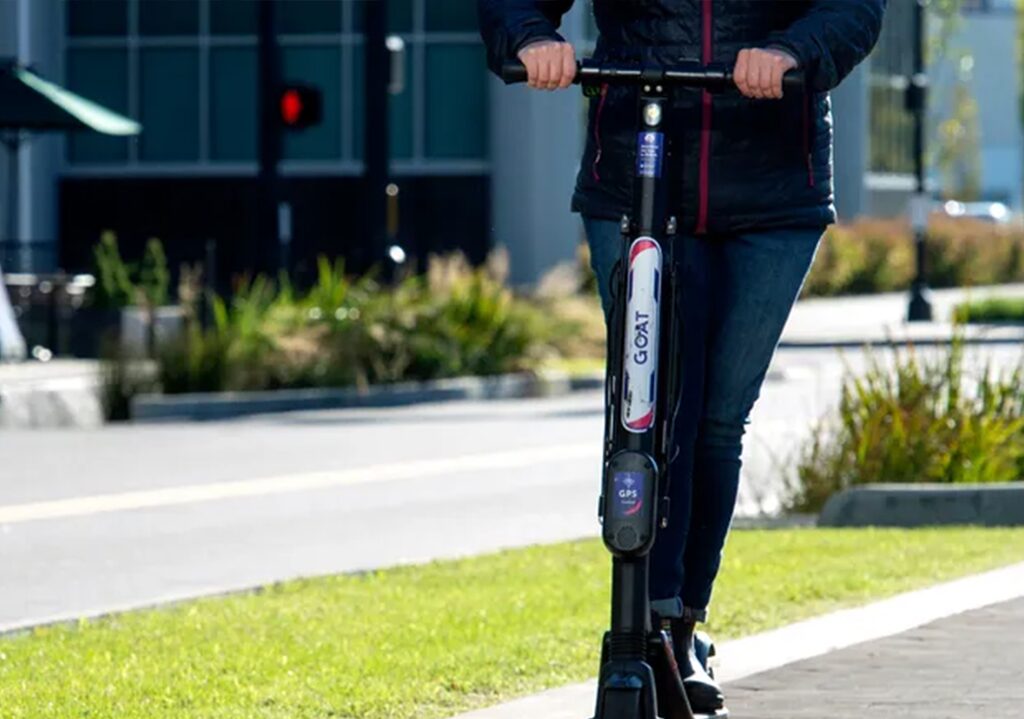
- 25–50 scooters (the sweet spot): this is the range where operators commonly net $30,000–$100,000 per year. At 40 scooters × 2 rides × $5.50 × 240 days you are at roughly $105K gross; with GOAT operators retaining 85–90% of ride revenue and disciplined ops, a 20–35% net margin lands well inside that band.
- 100+ scooters (multi-site): gross scales linearly but you add paid labor. The operators who win at this size run tight battery-swap routes and spread vehicles across several anchor locations rather than one oversaturated zone.
Run your own scenario in the revenue calculator — it models fleet size, pricing, and operating days against your market.
What Drives Rides Per Day
Location quality beats everything. Density of short trips, a reason to ride in both directions, and visible, organized parking. A corporate campus with parking lots half a mile from offices, a beach town main strip, a university edge — these reliably outperform. Our guide to choosing the right location has the five-question qualifier.
The Costs That Eat Margin
- Hardware amortization — the biggest line. Durable vehicles change the math: a scooter with a 5-year lifespan amortizes at a fraction of the cost of one that dies in 18 months. Buying pre-owned can cut payback from ~10 months to ~5.
- Charging and rebalancing labor — the daily grind. Swappable batteries (standard on the GOAT X) cut route time dramatically.
- Maintenance and parts — budget per-vehicle per-season; airless tires remove the single most common repair.
- Insurance — see insurance and liability for the policies that matter and the ops habits that lower premiums.
The Honest Bottom Line
Gross margins for well-run fleets land at 20–35%. A 25–50 unit fleet in a qualified market, operated with discipline, is a realistic $30K–$100K/year business — and it stacks: many operators add a second location once the first route is dialed in. The operators who miss these numbers almost always got the location wrong, not the spreadsheet.